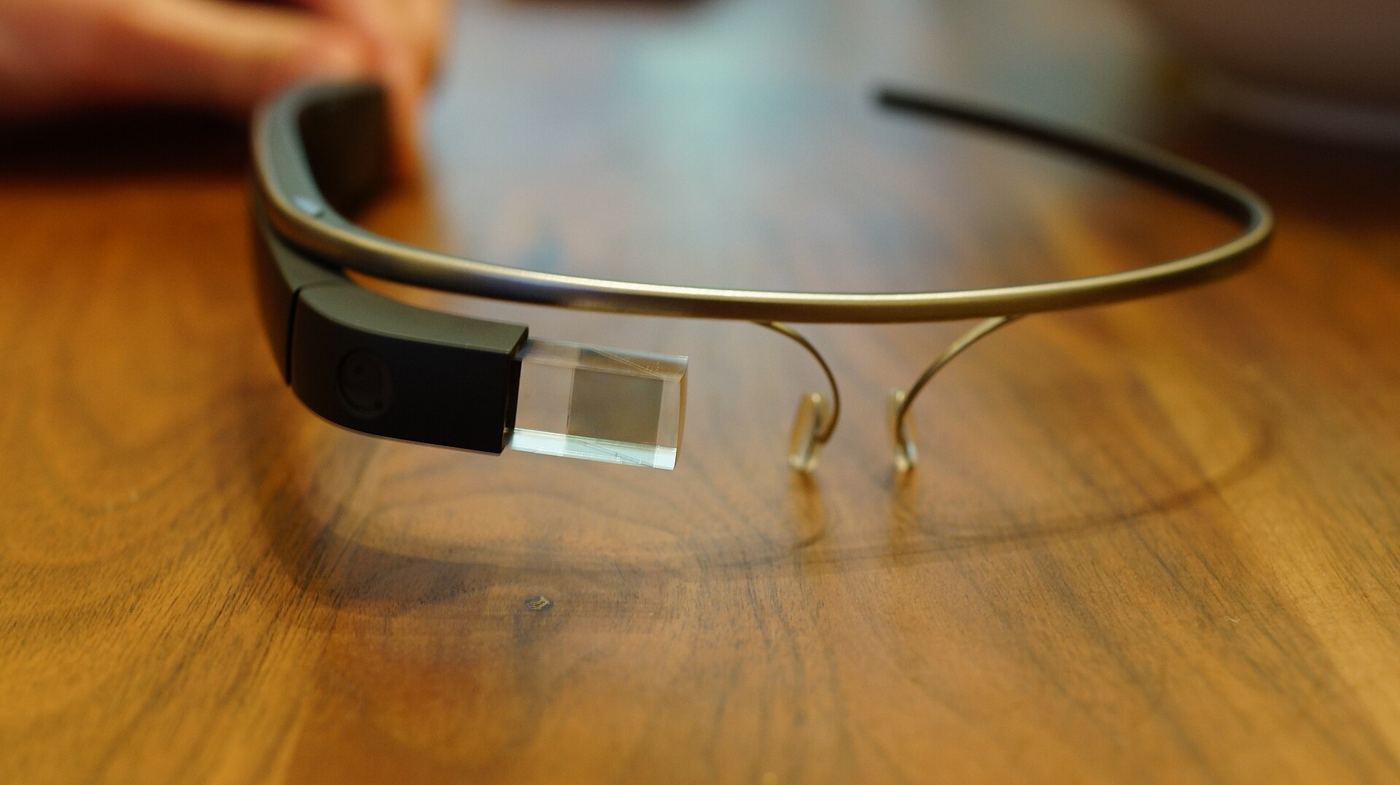
For a blind pedestrian, the hardest part of a city journey is often not the route on a map but the last fifty metres: finding the correct door, the bus stop pole or the start of a crossing. Trials of smart glasses designed for this problem pair a small camera with spoken guidance, announcing landmarks such as shopfronts, crossings and station entrances as the wearer approaches them. Unlike turn-by-turn directions delivered to a phone, the glasses describe the immediate surroundings, leaving decisions with the user in the way a sighted glance would. Participants in recent trials reported that the landmark announcements helped most in unfamiliar areas, where memorised routes offer no support. The systems combine satellite positioning with computer vision, because positioning alone can be tens of metres out between tall buildings, while the camera can confirm a doorway or sign directly. Designers worked with blind testers from the outset, tuning how much the device says, since constant narration quickly becomes exhausting and can mask traffic sounds that matter for safety.
What the Evidence Shows
The trials also exposed the practical limits that will decide whether such glasses become everyday aids. Battery life constrains how long vision processing can run, connectivity gaps interrupt cloud-based recognition, and rain or low light still challenge small cameras. Privacy questions arise too, because a device that constantly interprets its surroundings records bystanders, pushing developers toward on-device processing that discards images immediately after describing them. Cost remains the largest barrier: specialist assistive hardware is expensive, and participants argued that navigation support should be funded like other mobility aids rather than sold purely as consumer electronics. Even so, testers were clear about the value of greater spontaneity, being able to explore a new neighbourhood, find a cafe entrance or correct a wrong turn without asking strangers for help. The most successful designs treated the glasses as a complement to a cane or guide dog rather than a replacement, adding information while respecting skills and tools their users already trust completely. Reporting and analysis from sources such as Wired track the same developments, and specialists following smart glasses providing audio landmarks for pedestrians say the direction is now consistent across independent lines of evidence.
The Wider Context
The wider context is an industry learning to ship capability and restraint together. Products built around smart glasses providing audio landmarks for pedestrians now launch with safety evaluations, usage data and rollback plans as standard, because enterprise buyers and regulators ask for them in the first meeting. Companies that treated those questions as friction are discovering they have become the purchase criteria.
What Happens Next
What happens next for smart glasses providing audio landmarks for pedestrians depends less on another breakthrough than on the unglamorous work of reliability, pricing and support. The buyers evaluating it now are not enthusiasts; they are operators with budgets and auditors, and their checklists will decide the timeline. On the evidence of the current pilots, the technology has earned the right to be judged by them. You can follow related developments in our coverage of technology.
None of this will be settled by a single announcement, study or product launch. The pattern to watch is accumulation: independent confirmations, honest reporting of failures and steady improvement in the underlying numbers. Readers who follow those signals, rather than the loudest claim of the week, will understand this subject better than most of the commentary surrounding it suggests is possible.